Decluttering Tips for Seniors and Downsizers in Retirement: A Practical Guide
For many people in retirement, downsizing can feel overwhelming. The challenge of fitting a lifetime of belongings into a smaller space, combined with the emotional weight of letting things go, often becomes one of the biggest barriers to making a move.
That’s where practical downsizing and decluttering for seniors can make a real difference. With the right mindset and a clear plan, downsizing doesn’t have to feel stressful. It can be a chance to simplify your space, improve safety and create a home that better supports your lifestyle.If you’re thinking about moving to a smaller, low-maintenance home but don’t know where to start, this guide walks you through six simple decluttering tips for seniors, along with space-saving strategies to help make the process more manageable.
Key Takeaways:
- A clear plan and the right mindset make downsizing more manageable
- Start small to build momentum before tackling harder decisions
- Simple sorting systems help reduce overwhelm
- There are ways to let go without losing meaning or connection
- Focus on keeping what truly adds value to your space
- Decluttering can improve safety and ease of movement at home
- Take it step by step rather than trying to do everything at once
- A supportive, respectful approach makes the process easier for families

Decluttering can feel like a chore, but it can also be surprisingly freeing
Downsizing for retirement or decluttering for retirement can seem like a mammoth task, and it often is! When your house is full of belongings, where do you begin? It helps to start with a simple plan and the right mindset. Rather than thinking of it as a chore, look at it as a way of freeing yourself from the excess things that are weighing you down and taking up room in your life. Focus on the joy of passing on items that may no longer suit you but that someone else will love.
You could tackle it room by room or follow the KonMari method of Japanese organiser Marie Kondo, who suggests working through your home category by category. Whichever approach you choose, try to avoid getting caught up in nostalgia and focus on keeping only what is useful or genuinely meaningful to you. .
Where to start when it all feels overwhelming
It’s natural to want to begin with the most meaningful belongings, but that often makes the process harder than it needs to be. Instead, start with low-stakes areas like the bathroom, pantry or linen cupboard and focus on one drawer, shelf or space at a time. Downsizing can be emotionally challenging, so take it slowly and use the decluttering for seniors checklist later in this guide to help you move forward step by step.
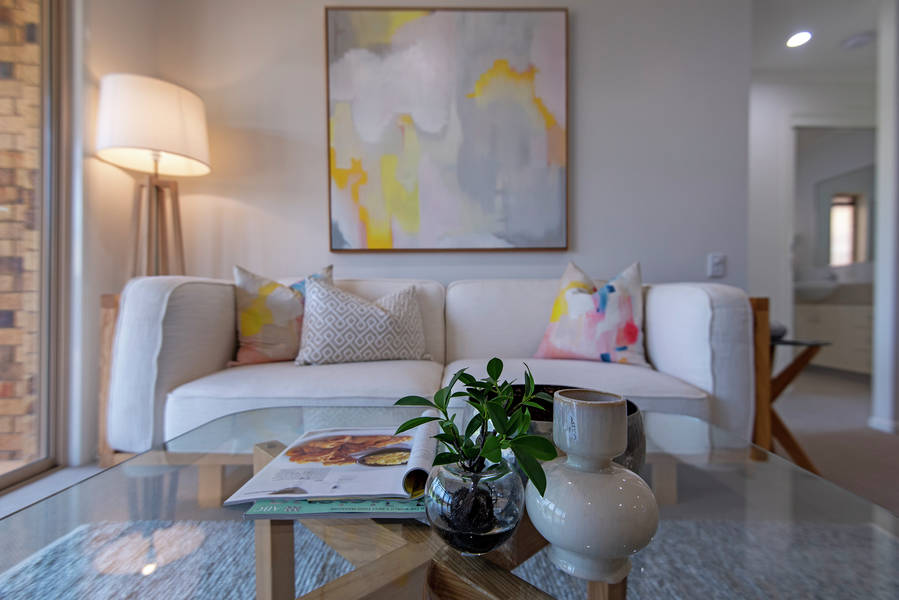
Willow Glen Retirement Community, Toowoomba
A simple sorting system that actually works
When everything feels overwhelming, having a simple system can make decisions easier. Two practical approaches that work well are the ‘Keep, Donate, Toss’ method and the ‘90-day test’.
A. Keep, Donate, Toss Method
Instead of deciding the fate of every item on the spot, start by sorting things into broad categories. Set up clearly labelled boxes or bags: Keep, Donate, Toss and Not Sure Yet. This removes the pressure of making perfect decisions and helps you keep moving forward. It’s completely normal to have a ‘not sure’ pile, especially for items with sentimental value.
For items in good condition, donating can be a meaningful way to pass them on. In Australia, organisations like Vinnies, Salvos Stores (The Salvation Army), Lifeline and the Red Cross accept clothing, household goods and furniture. Knowing that someone will reuse your items can make it easier to let them go.
B. The 90-Day Test
For anything you’re unsure about, the 90-day test can help. Place these items in a box, store it out of sight and set a reminder to revisit it in three months. If you haven’t needed or thought about those items during that time, it’s a strong sign they’re not essential to your daily life.
For example, this test might apply to spare kitchen appliances, duplicate linens or hobby items that haven’t been used in a while. If it still feels difficult to part with something, consider passing it on to a family member or friend so it remains within the family.
Design your new space around your most treasured items
Once you have decluttered your home and are left with your most treasured and useful possessions, you can focus on designing your new space. This way, every room will be full of the items you love, with none of the things that weigh you down.
In the living room, the soft furnishings can be in the colours you like, and you can display the trinkets, ornaments and pictures that bring a smile to your face. Your kitchen won’t be cluttered up with chipped or ugly crockery and glassware anymore, and your wardrobe will be filled with only the clothes that make you feel good. It might feel like a big shift, but it’s achievable when you take it step by step.
Take time with sentimental items
Sentimental belongings are often the hardest to part with, and it’s okay to take more time with them. One approach is to set a clear limit, such as a single box, drawer or shelf, so you can keep what matters most without feeling overwhelmed by volume. You might also consider digitising items like photos or letters so the memories are preserved without taking up space. For special heirlooms, passing them on to children or grandchildren can be a meaningful way to keep their story alive while lightening the load.
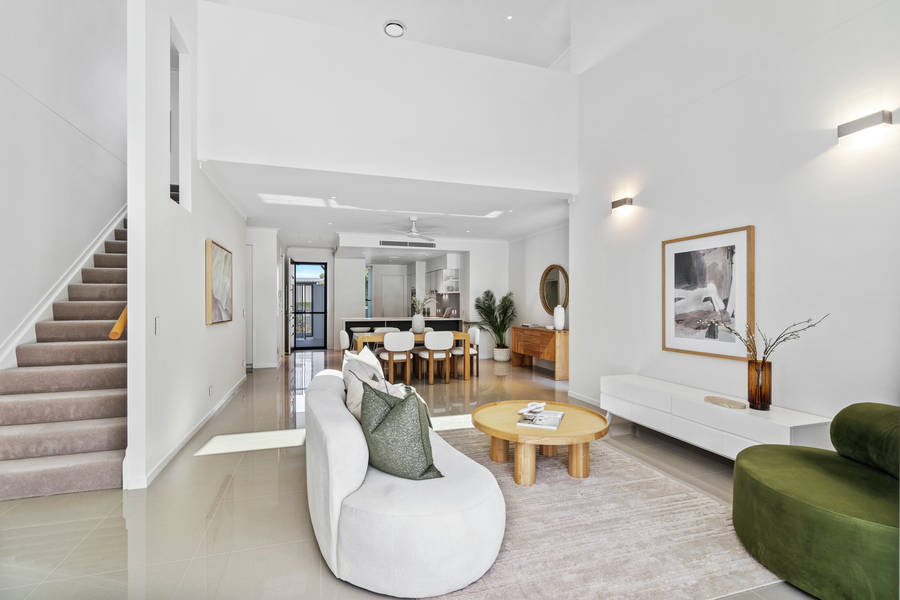
Stafford Lakes Retirement Community, North Brisbane
Creative storage solutions to maximise space
Even after decluttering, you will likely still have a fair amount of belongings to fit into your new, smaller home. To maximise the space, it can help to have a few clever storage solutions ready. You might also find endless inspiration from bloggers and everyday people online who are eager to share their hacks, and seeing their before-and-after shots provides a great visual reference to help you make it happen.
Organising your wardrobe and drawers with storage solutions such as hanging shoe racks, drawer inserts and stacking boxes will allow you to fit so much more into the space. In the kitchen, using containers that stack or fit snugly next to each other allows you to fit as much in a smaller space as you would in a larger, less organised pantry.
1. Decluttering for safety — reducing fall risks at home
Creating a safer home environment is one of the most important reasons to declutter, particularly as mobility changes over time. If you’re helping your elderly parents declutter, small adjustments can make a meaningful difference in reducing the risk of falls and supporting independence. For more guidance, see our resource on preventing falls and ensuring safety in the elderly.
2. Clear pathways and remove trip hazards
One of the simplest ways to reduce fall risks is by clearing walkways and removing common hazards. Loose rugs, electrical cords across floors and piles of books or magazines can all create unnecessary obstacles, especially in high-traffic areas. Focus on key zones like hallways, stairs, bathrooms and bedrooms, where slips and trips are more likely to occur. This becomes even more important for those using a cane, walker or other mobility aid, as extra space and stability are essential. If you’re noticing these challenges at home, it may be a sign of an elderly parent needing help.
3. Organise for easier, safer access
Once clutter is reduced, thoughtful organisation can further improve safety. Keep frequently used items within easy reach to avoid the need for stretching overhead or bending down to the floor. Store heavier items at waist height and avoid stacking boxes too high, opting instead for lower, more accessible shelving. A well-organised home supports safer movement and makes it easier for family members or carers to assist when needed.
4. Helping elderly parents declutter
Supporting a parent through decluttering can be just as emotional for you as it is for them. Taking a thoughtful, respectful approach can make the process feel less like a task and more like a shared experience.
5. How to start the conversation
Start gently, using open questions like ‘Have you thought about what you’d like to do with some of your things?’ rather than leading with decisions. Try to avoid words like ‘clutter’ or ‘junk’, as they can feel dismissive of a lifetime of memories and choices. Even items that seem insignificant can carry deep emotional meaning, so it’s important to acknowledge that. It also helps to raise the conversation early, before a move or major change adds pressure and time constraints.
6. Making it a positive, shared experience
Decluttering doesn’t have to feel like a loss. It can be an opportunity to hear stories, revisit memories and spend meaningful time together. Involving other family members, including grandchildren, can help lighten the emotional load and turn the process into a shared family effort rather than something that feels overwhelming or forced.
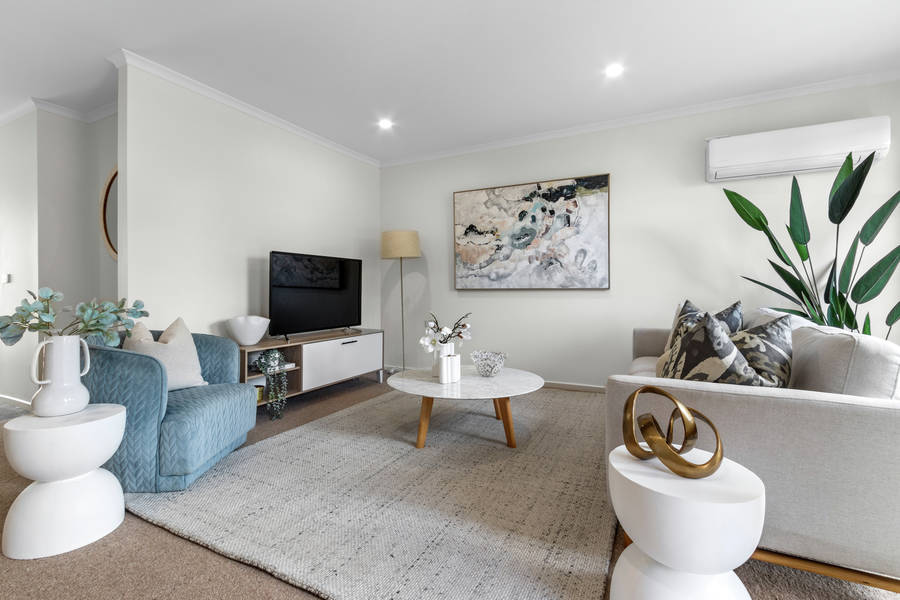
Hayville Retirement Community, Box Hill, Melbourne South
Simple decluttering checklist for seniors
A room-by-room checklist can make the process feel more manageable and give you a clear place to start. Use this example as a guide and work through each space at your own pace.
| Area | What to look for |
| Kitchen | Duplicate utensils, expired pantry items, chipped crockery, unused appliances, excess containers without lids |
| Bedroom / Wardrobe | Clothing no longer worn, outdated shoes, worn-out sleepwear, old linens, excess blankets |
| Bathroom | Expired medications, unused toiletries, old towels, empty bottles, duplicate personal care items |
| Living areas | Piles of magazines or newspapers, unused décor, excess furniture, tangled cords, old electronics |
| Laundry | Empty detergent bottles, unused cleaning products, worn-out cloths, broken laundry baskets |
| Hallways / Entryways | Shoes that are no longer worn, bags, umbrellas and items blocking walkways |
| Garage / Storage | Broken tools, unused equipment, duplicate hardware, old paint tins, items stored ‘just in case’ |
| Paperwork | Old bills, outdated documents, instruction manuals, duplicate records (keep only what’s necessary) |
| Sentimental items | Items that no longer fit within your chosen keepsake space, duplicates and things without a clear meaning |
Work through this checklist one step at a time, ticking off areas as you go and remembering there’s no need to rush the process.

Enjoy the freedom of downsizing and decluttering
As the kids leave home and you look for a life free from endless household chores, downsizing can be the ideal solution. In a smaller home, there is less to maintain and clean, which means you have more time to devote to hobbies and leisure.
If you’re feeling overwhelmed about making it happen, even with these decluttering tips for seniors, remember to take it one step at a time. Keep the end goal of where it is taking you: a modern, low-maintenance home filled with the things you love.
Would you like to know more about downsizing for seniors or nearby retirement living communities? Get in touch with our team for an informal chat or to organise a tour today!