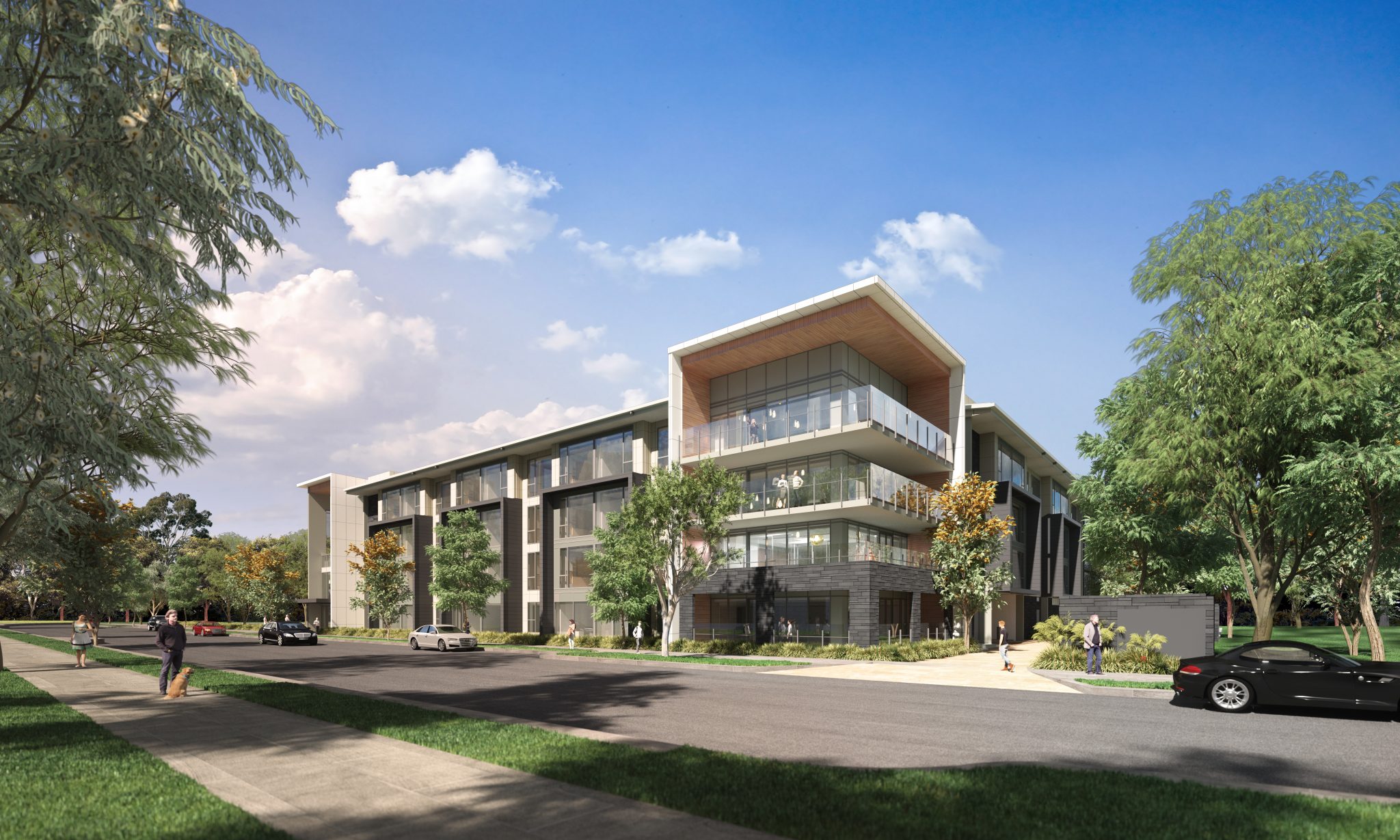
It’s a question many people ask as they start planning their next chapter: Can you still work and live in a retirement village? The answer is yes. Moving into a retirement community doesn’t mean you have to step away from work entirely.
In reality, a growing number of older Australians are choosing to remain in the workforce beyond traditional retirement age. According to the Australian Bureau of Statistics, the participation rate for people over 65 was around 16.1% as of February 2026.
That’s a clear sign that retirement today looks very different from what it once did. Continuing to work while retired also brings in more than just an income. It offers a sense of purpose and valuable social connections.
Independent living retirement communities are designed to support this way of life. It’s important to keep in mind that any income you earn may affect your Age Pension, as Centrelink includes this under the income test.

You Don’t Need to Quit Your Job when You Move into a Retirement Village
A common misconception is that you must be fully retired before moving in. This is not the case. Eligibility to move into a retirement village is generally based on age (usually over 55) rather than employment status.
Plenty of residents continue to work full-time, part-time or in flexible roles, and retirement villages can be an ideal place to call home for those seeking independence while enjoying access to shared facilities, services and a supportive community.
Retirement village living can even make it easier to keep working. With less time spent on home maintenance, residents often have more freedom to focus on their careers, hobbies or personal goals.
Benefits of Moving into a Retirement Village while Still in the Workforce
Deciding whether or not to still work full-time after you retire is a personal choice. However, there are some real benefits to living in a retirement village while you’re still employed.
1. Minimal-to-No Maintenance and Upkeep
TriCare communities take care of much of your home’s upkeep, including landscaping and repairs, through our maintenance services.
This means no mowing lawns or organising trades. Instead, you can use your time and energy to focus on other more important or enjoyable activities.
2. Lock-and-Leave for Business Travel
Retirement village living offers a secure ‘lock-and-leave’ lifestyle.
Residents can travel for work or holidays without worrying about security or arranging house sitters.
3. Smaller Cleaning Footprint
Downsizing typically means less cleaning and upkeep.
With more manageable spaces, you can spend less time on household tasks or chores. This also reduces the physical strain.
4. On-Site Wellness Facilities for Work-Life Balance
Maintaining a healthy work-life balance becomes easier with access to on-site wellness in retirement villages, which include amenities such as gardens, walking paths and communal spaces.
After a workday, residents can relax, stay active and remain socially connected without needing to travel far.
5. Fixed Costs for Better Budgeting
Living in a retirement village often comes with more structured or fixed retirement village fees.
For those who are self-employed or running a business, this arrangement makes budgeting easier.
6. Modern Tech and Access to Meeting Spaces
Retirement communities increasingly support modern working lifestyles.
Reliable internet access and comfortable communal spaces make it easy to work remotely, attend meetings or manage a business. This ensures productivity is not compromised.
7. Volunteer Opportunities & Community Roles
Work in later life doesn’t always need to be formal employment. Many retirement villages offer opportunities for volunteering or community involvement. These roles provide a lot of fulfilment outside of traditional work settings.

Other Important Factors to Consider
While retirement villages offer many benefits, it’s important to consider how they align with your work while retired.
1. Quiet Hours and Visitor Restrictions
Some communities have visitor restrictions, which can impact those working from home. However, TriCare villages are designed to support independent living and generally offer flexible visiting arrangements.
This makes it easier to meet clients or host visitors without disruption.
2. 24/7 Availability of Amenities
If you work outside standard hours, access to facilities is important.
TriCare communities are designed with a range of shared spaces that are available when needed.
3. Home-Based Businesses
If you plan to run a business from home, it’s important to check community guidelines.
Many residents engage in consulting or small-scale work, but understanding any limitations ensures your setup runs smoothly.
4. Transportation
Location can be crucial for keeping a working lifestyle.
TriCare villages are typically located in convenient areas with access to transport, shops and services, which makes commuting and daily tasks easier.

Why Wait for Retirement to Live Your Best Life?
Retirement no longer has to mean stopping work completely.
Whether you choose to keep working full-time, part-time or in a more casual or meaningful capacity, living in a retirement village can support that balance by removing many of the everyday pressures of home ownership.
For many Australians, you can still work and live in a retirement village like TriCare without any hassles.
TriCare communities are designed to help you stay independent, connected and in control of your routine. With thoughtfully designed amenities, low-maintenance housing and a supportive environment, you can continue to work while you’re retired and enjoy a more relaxed and fulfilling lifestyle.
Book a tour today to see how TriCare can help you make the most of this next chapter. You can then say you are Semi-Retired!